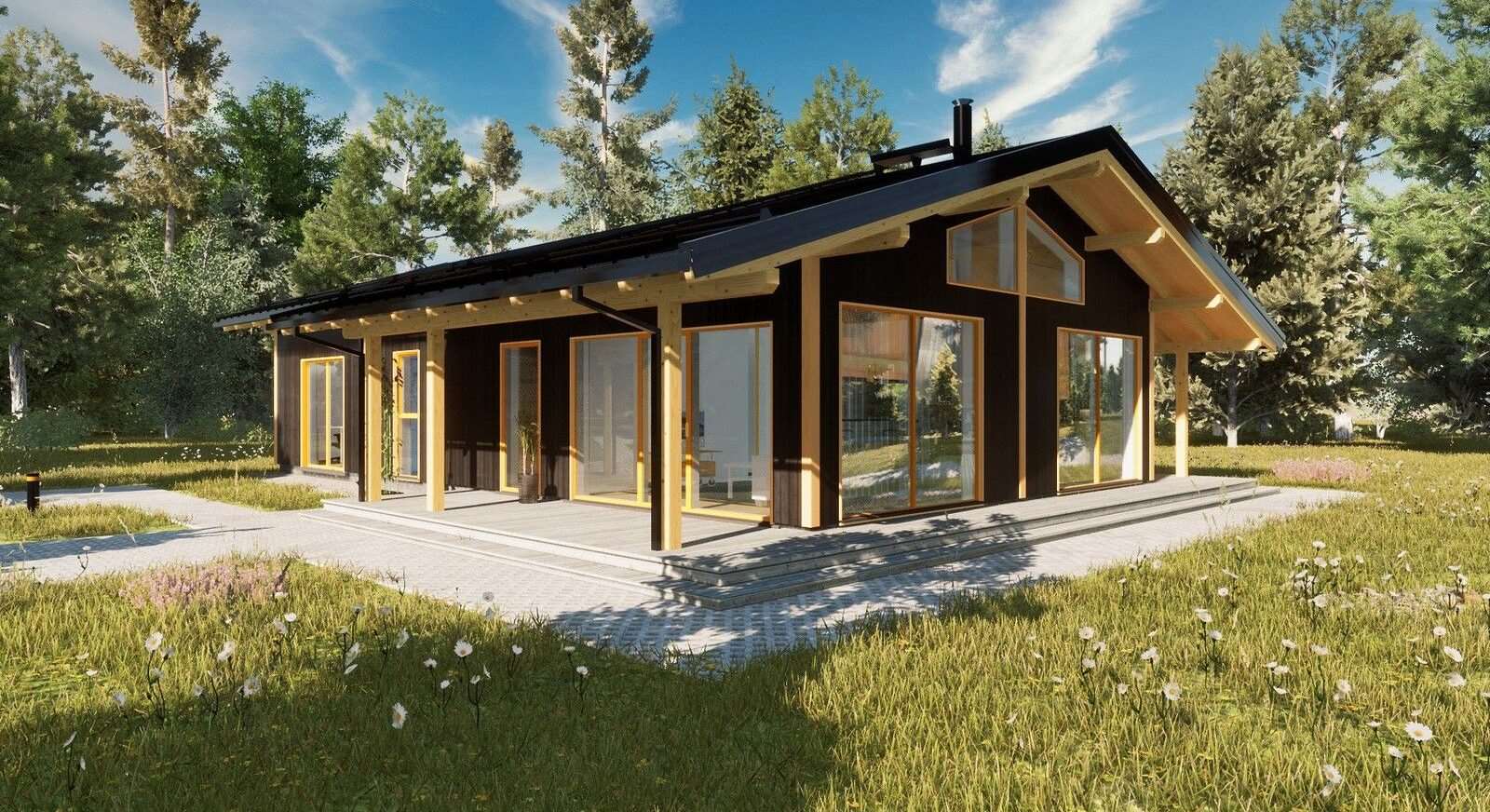
Yacht varnish is not recommended for log cabins Yacht varnish is designed to protect boats from the elements, but it is not suitable for log cabins. Yacht varnish is not breathable, so it can trap moisture inside the timber, leading to rot and decay. Log cabins also require a varnish
In the perennial debate between log homes and block houses, log homes have consistently emerged as the undisputed champions when it comes to both comfort and affordability. Their natural beauty and rustic charm, combined with remarkable insulation and eco-friendliness, make log homes the clear winner in this comparison. The Comforts
Building a log cabin in Ireland can be an exciting project, offering a unique opportunity to connect with nature and create a tranquil retreat. However, before embarking on this endeavor, it’s crucial to be aware of the planning permission requirements governing such construction. In Ireland, planning permission regulations play a
In general, yes, you may need planning permission to build a log cabin in Ireland. However, there are some exemptions and allowances that may apply in certain cases. For example, you may not need planning permission if your log cabin is: Less than 25 square meters in area Not intended
Here are some additional details and professional tips for buying a log cabin: Consider the type of wood: Log cabins are typically made from pine, spruce, or fir. Pine is the most common type of wood used for log cabins, as it is relatively inexpensive and easy to work with.
Log cabins have been a popular choice of home for centuries, and for good reason. They are warm, inviting, and offer a unique connection to nature. But what about living in a log cabin in Ireland, with its damp climate and strong winds? Éire Log Cabins has uniquely solved the